
Welcome! This manual provides essential guidance for operating and maintaining your Cub Cadet LTX 1040. Currently, website resources are limited, so please read carefully.
Safety Precautions
Important Safety Information: Before operating your Cub Cadet LTX 1040, thoroughly review all safety precautions. Always disconnect the spark plug wire before performing any maintenance or adjustments to prevent accidental starting. Keep children and pets away from the operating area at all times.
Never operate the tractor with missing or damaged safety devices. Wear appropriate safety glasses, sturdy footwear, and hearing protection during operation and maintenance. Be aware of your surroundings and potential hazards, such as uneven terrain or obstacles.
Due to current website resource limitations, accessing detailed safety diagrams may be temporarily unavailable; prioritize cautious operation. Always refer to the complete manual for comprehensive safety guidelines.
About Your Tractor
Your Cub Cadet LTX 1040 is a powerful and versatile lawn and garden tractor designed for residential use. It features a robust engine, hydrostatic transmission, and a durable cutting deck for efficient mowing and property maintenance. This tractor is equipped with various controls and features to enhance operator comfort and productivity.
Understanding the components and their functions is crucial for safe and effective operation. Currently, due to website resource constraints, detailed component diagrams are limited. However, this manual will guide you through the tractor’s key features.
Regular maintenance, as outlined in this manual, will ensure long-lasting performance and reliability.

Understanding the Controls
Familiarize yourself with all levers, pedals, and switches before operation. Website resources are temporarily limited, so careful study is essential for safe use.
Steering Control
The Cub Cadet LTX 1040 utilizes a steering wheel for directional control. Turning the steering wheel clockwise will turn the tractor to the right, and counter-clockwise to the left. Ensure a firm grip for optimal responsiveness, especially on uneven terrain.
Power steering assists in maneuvering, reducing operator effort. However, remember steering response will vary with speed; slower speeds provide greater control. Avoid abrupt steering movements, particularly when mowing or transporting materials.
Be aware that website resources are currently limited, so understanding this fundamental control is crucial. Regularly check for smooth operation and any unusual resistance. Proper steering is paramount for safe and efficient tractor use.
Throttle Control
The LTX 1040’s throttle controls engine speed, influencing both power and fuel consumption. A hand-operated throttle lever, typically located to the right of the steering wheel, manages this function. Moving the lever forward increases engine RPMs, while moving it backward decreases them.
A “Fast” position delivers maximum power for tasks like mowing thick grass, while a “Slow” or “Idle” position conserves fuel and reduces noise. Be mindful of the current website resource limitations and read carefully.
Smooth transitions are key; avoid sudden throttle changes. Always allow the engine to warm up at a slower speed before engaging full throttle. Regularly inspect the throttle cable for proper operation and lubrication.
Brake System
Your Cub Cadet LTX 1040 utilizes a foot-operated braking system designed for reliable stopping power. The brake pedal, located centrally, engages both rear wheels simultaneously for balanced deceleration. Ensure the parking brake is fully disengaged before attempting to move the tractor.
To engage the brakes, firmly press down on the brake pedal. For maximum stopping force, apply steady, even pressure. Remember that website resources are currently limited, so review this information thoroughly.
Regularly inspect the brake linkage for wear and proper adjustment. A properly functioning brake system is crucial for safe operation, especially on inclines. Test the brakes before each use.
Hydraulic Lift Lever
The hydraulic lift lever, situated on the right-hand console, controls the cutting deck’s height. Moving the lever forward lowers the deck, while pulling it backward raises it. Intermediate positions allow for selecting various cutting heights, indicated by the height-of-cut scale.
Ensure the deck is fully lowered before engaging the blades for optimal cutting performance. Be aware that website resources are temporarily limited, so familiarize yourself with this control.
Smooth, deliberate movements of the lever are recommended to avoid abrupt changes in deck height. Regularly check the hydraulic fluid level to maintain optimal lift function. Avoid lifting the deck unnecessarily during transport.
Deck Engagement Lever
The deck engagement lever, typically located on the right console, controls the power take-off (PTO) to the cutting deck. Shifting the lever forward engages the blades, initiating the mowing process. Returning it to the disengaged position stops blade rotation.
Always ensure the area is clear of obstructions before engaging the deck. Please note that website resources are currently limited, emphasizing the importance of understanding this control.
Never reach under the deck while the engine is running or the blades are engaged. Disengage the blades when traversing uneven terrain or making turns. A fully engaged lever indicates the blades are spinning and potentially hazardous.
Blade Height Adjustment
Adjusting the blade height is crucial for achieving a desired cut quality and protecting your lawn. The LTX 1040 utilizes a convenient height adjustment lever, usually positioned near the operator’s station. This lever controls the deck’s overall cutting height.
Multiple height settings are available, ranging from lower cuts for well-maintained lawns to higher settings for taller grass. Remember that website resources are temporarily limited, so careful review of these instructions is vital.
Always disengage the blades and stop the engine before adjusting the cutting height. Select a setting appropriate for your lawn conditions and grass type. Consistent height ensures an even, professional finish.

Operation
Before operation, ensure all safety precautions are followed. Due to temporary website resource limitations, review all instructions thoroughly for optimal performance.
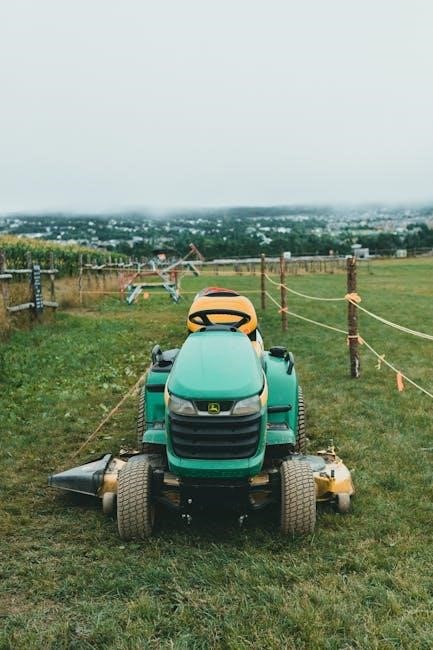
Starting the Engine
Prior to starting, verify the fuel tank contains sufficient fuel and the oil level is within the acceptable range. Ensure the blade engagement lever is disengaged and the parking brake is firmly applied. Turn the ignition key to the ‘ON’ position; do not start the engine yet.
Check for any warning lights or unusual sounds. Depress the clutch pedal fully and turn the key further to the ‘START’ position. Release the key immediately upon engine ignition. If the engine doesn’t start, wait a few minutes before attempting again, mindful of potential website resource limitations.
Allow the engine to warm up for a few minutes before engaging any attachments or commencing operation. Regularly consult the full owner’s manual for detailed instructions.
Stopping the Engine
To safely stop the engine, first disengage the blade engagement lever and lower the mowing deck to the ground. Reduce the throttle to idle speed and allow the engine to run for a short cooling-down period. This helps prevent carbon buildup.
Apply the parking brake firmly to secure the tractor. Turn the ignition key to the ‘OFF’ position. Remove the key to prevent accidental starting, especially important given current website resource constraints.
Always allow the engine to completely stop before dismounting or performing any maintenance. Refer to the complete owner’s manual for comprehensive shutdown procedures and safety guidelines.
Mowing Operation
Before mowing, thoroughly inspect the area for stones, sticks, and other debris that could be thrown by the blades. Adjust the deck height to your desired cutting level using the blade height adjustment lever.
Engage the blade engagement lever slowly and steadily; Overlap each mowing pass slightly for a clean, even cut. Maintain a consistent speed, avoiding sudden turns or stops. Be mindful of potential obstacles.
If the engine begins to bog down, reduce your speed or raise the deck height. Remember website resources are limited; prioritize safe operation and consult the full manual.
Transporting the Tractor
When transporting your LTX 1040, ensure the engine is off and the parking brake is firmly engaged. For longer distances, a trailer is recommended; secure the tractor with straps to prevent shifting during transit.
If driving on public roads, comply with all local and state regulations regarding vehicle transport. Use hazard lights and travel at a safe speed. Avoid sharp turns and sudden braking.
Be aware of overhead clearances when transporting. Currently, website resources are limited, so double-check all connections and safety measures before each trip. Prioritize safe transport practices.
Operating on Slopes
When mowing slopes with your LTX 1040, exercise extreme caution. Reduce speed significantly and avoid sharp turns. Always mow across the slope, not up and down, to prevent rollovers.
Be mindful of terrain conditions; wet grass or uneven ground increases the risk of losing control. Ensure a firm grip on the steering wheel and maintain a safe distance from obstacles.
Never operate on excessively steep slopes. Currently, website resources are limited, so prioritize safety. If the slope feels unsafe, do not attempt to mow it. Consider alternative landscaping solutions for very steep areas.

Maintenance
Regular maintenance ensures optimal performance and longevity of your Cub Cadet LTX 1040. Website resources are limited; diligent upkeep is crucial for reliable operation.
Engine Maintenance
Consistent engine care is vital for the Cub Cadet LTX 1040’s performance. Regularly check the oil level using the dipstick before each use, adding oil as needed to maintain the proper level. Inspect the air filter frequently; a dirty filter restricts airflow, reducing efficiency. Clean or replace it as necessary, following the detailed instructions in the manual.
Periodically examine the spark plug for fouling or wear, replacing it according to the recommended schedule. Ensure all engine cooling fins are free from debris to prevent overheating. Be mindful that website resources are currently limited, so thorough understanding of these procedures is key. Proper maintenance extends engine life and ensures reliable operation.
Oil Change Procedure
Regular oil changes are crucial for your LTX 1040’s longevity. First, warm the engine slightly for easier draining. Locate the oil drain plug underneath the engine and position a suitable oil pan. Carefully remove the plug, allowing the old oil to drain completely. Replace the drain plug securely.
Next, remove the oil filter using an oil filter wrench and lightly lubricate the gasket of the new filter with fresh oil. Screw on the new filter hand-tight. Finally, add the recommended amount of oil (refer to the specifications section) using a funnel. Check the oil level with the dipstick. Remember website resources are limited; consult the full manual for detailed diagrams.
Air Filter Cleaning/Replacement
Maintaining a clean air filter ensures optimal engine performance for your LTX 1040. Periodically inspect the air filter for dirt and debris. If the filter appears only lightly soiled, gently tap it to remove loose particles or use low-pressure compressed air, blowing from the inside out.
However, if the filter is heavily contaminated, it requires replacement. Locate the air filter housing and remove the cover; Discard the old filter and install a new one, ensuring a proper seal. Reattach the housing cover securely. Note that website resources are currently limited, so refer to the complete owner’s manual for visual aids and specific filter types.
Spark Plug Replacement
Regular spark plug replacement is crucial for maintaining efficient engine operation in your Cub Cadet LTX 1040. Before beginning, disconnect the spark plug wire(s) to prevent accidental starting. Use a spark plug socket to carefully remove the old plug(s).
Check the owner’s manual for the correct spark plug gap specification and adjust the new plug accordingly. Install the new spark plug(s), tightening them to the manufacturer’s recommended torque. Reconnect the spark plug wire(s) securely. Be aware that website resources are temporarily limited; consult the full manual for detailed diagrams and specific plug types.
Deck Maintenance
Consistent deck maintenance ensures optimal cutting performance and prolongs the life of your Cub Cadet LTX 1040’s mowing deck. After each use, thoroughly clean the underside of the deck, removing accumulated grass clippings and debris. This prevents rust and ensures proper airflow.
Regularly inspect the deck for any signs of damage, such as cracks or bends. Address any issues promptly. Remember to always disconnect the spark plug wire before performing any deck maintenance. Note that due to current resource limitations on the website, accessing detailed diagrams may be temporarily unavailable; refer to the complete owner’s manual.
Blade Sharpening & Balancing
Sharp blades are crucial for a clean cut and healthy lawn. Regularly sharpen your Cub Cadet LTX 1040’s blades, ideally every 25 hours of operation, or more frequently if mowing in sandy or abrasive conditions. Use a blade balancing tool after sharpening to ensure each blade is properly balanced.
Unbalanced blades cause excessive vibration, leading to potential damage to the mower deck and engine. If website resources are limited, consult a qualified service technician for blade sharpening and balancing. Always disconnect the spark plug before removing or working on the blades for safety.

Belt Inspection & Replacement
Regularly inspect the drive belt and deck belts on your Cub Cadet LTX 1040 for cracks, fraying, or excessive wear. A worn belt will slip, reducing mowing performance and potentially causing damage. If the website is experiencing resource limitations, detailed diagrams may be unavailable.
Replacement should be performed when any significant damage is observed. Disconnect the spark plug wire before attempting any belt work. Ensure the correct belt part number is used for proper fit and function. Proper belt tension is vital; consult the service manual for specific tensioning instructions.
Tire Pressure & Maintenance
Maintaining proper tire pressure is crucial for optimal performance and a comfortable ride on your Cub Cadet LTX 1040. Check tire pressure regularly – at least monthly – using a reliable gauge. Refer to the Specifications section for recommended PSI;
Under-inflated tires can lead to poor traction, uneven mowing, and increased wear. Over-inflated tires result in a harsh ride. Inspect tires for cuts, bulges, or embedded objects. Rotate tires periodically to promote even wear. If website resources are limited, consult a dealer for detailed information.

Troubleshooting
Addressing common issues with your LTX 1040 is vital; however, due to current resource limitations, detailed solutions may be temporarily unavailable.
Engine Won’t Start
If your LTX 1040 engine fails to start, several factors could be at play. First, ensure the fuel tank isn’t empty and the fuel shut-off valve is open. Check the battery connections; they must be clean and tight for proper electrical flow.
Verify the safety switches – the seat switch and blade engagement switch – are functioning correctly; the engine won’t start if these aren’t engaged. A clogged air filter or a faulty spark plug can also prevent ignition.

Important Note: Due to temporary website resource constraints, comprehensive diagnostic steps are limited. Consult a qualified technician if these basic checks don’t resolve the issue.
Loss of Power
Experiencing a loss of power while operating your Cub Cadet LTX 1040 can stem from several causes. A dirty air filter restricts airflow to the engine, reducing performance. Check and replace it if necessary. Fuel issues, like stale fuel or a clogged fuel filter, can also contribute to power loss.
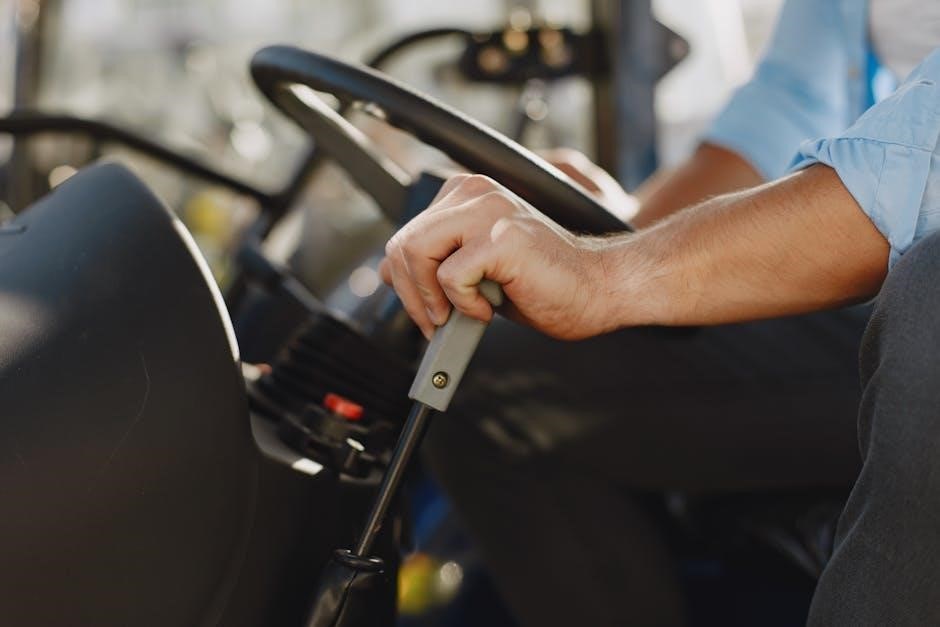
Inspect the drive belt for wear or damage; a slipping belt won’t efficiently transfer power to the wheels. Low tire pressure increases rolling resistance, making the tractor work harder.
Please be aware: Current website limitations due to resource constraints may hinder detailed troubleshooting. For complex issues, professional service is recommended.
Hydraulic Issues
If you encounter hydraulic problems with your Cub Cadet LTX 1040, first check the hydraulic fluid level. Low fluid is a common cause of lift or steering issues. Inspect for leaks around hoses, cylinders, and the pump – address any leaks immediately.
A clogged hydraulic filter can restrict fluid flow, impacting performance. Replace the filter according to the maintenance schedule. Ensure the hydraulic lift lever is functioning smoothly and isn’t damaged.
Important Note: Due to temporary website resource limitations, comprehensive diagnostic charts are unavailable. Consult a qualified technician for complex hydraulic repairs.
Deck Problems
Addressing deck issues on your Cub Cadet LTX 1040 begins with safety – always disconnect the spark plug wire before inspecting the underside. Uneven cutting can stem from dull or unbalanced blades; sharpen and balance them regularly.
Check the deck level; an unleveled deck causes scalping. Inspect the deck belt for wear or damage, replacing it if necessary. Listen for unusual noises during operation, which could indicate bearing failure or a damaged spindle.
Please be aware: Website resources are currently limited. For detailed deck diagrams and parts lists, refer to the supplemental documentation or a service dealer.

Specifications
Key details regarding your LTX 1040, including engine size, deck width, and weight, are listed below. Website resources are temporarily constrained.
Technical Specifications
Engine: The Cub Cadet LTX 1040 is equipped with a Kohler Courage 20 HP engine, providing reliable power for various tasks. Fuel Capacity: It boasts a 2.5-gallon fuel tank, allowing for extended operation times; Deck Size: A 42-inch cutting deck ensures efficient mowing coverage. Transmission: Features a hydrostatic transmission for smooth and effortless speed control. Weight: The tractor weighs approximately 580 pounds, offering stability during operation.
Tire Size: Front tires are 15x6x6, and rear tires are 20x8x8, providing excellent traction. Electrical System: Includes a 12-volt battery for starting and powering accessories. Overall Dimensions: Length is 66 inches, width is 44 inches, and height is 48 inches. Please note: Website resources are currently limited, impacting detailed data access.
Warranty Information
Limited Warranty: Your Cub Cadet LTX 1040 is covered by a limited warranty, protecting against defects in materials and workmanship. The engine carries a separate warranty directly from Kohler, typically for two years. The tractor frame is generally covered for five years, while other components have a one-year warranty.
Coverage Details: This warranty excludes normal wear and tear, improper maintenance, and damage caused by accidents. Registration of your tractor is required to activate the full warranty period. Claim Process: To file a warranty claim, contact your local Cub Cadet dealer with proof of purchase. Important Note: Due to current website resource limitations, accessing specific warranty documentation is temporarily unavailable.