
The BMW 335i, particularly models from 2007-2013, offered enthusiasts a rewarding six-speed manual transmission option, the GS645. This gearbox provided a direct connection
to the potent inline-six engine, enhancing the driving experience and appealing to purists seeking greater control and engagement.
While the automatic transmission gained popularity, the manual 335i retained a dedicated following due to its superior driver involvement and the classic feel.
However, the GS645 gearbox is known for specific weaknesses, requiring awareness and proactive maintenance for long-term reliability.
Overview of the 335i and its Manual Transmission Option
The BMW 335i (E90, E92, E93) of the late 2000s and early 2010s quickly became a benchmark for sporty, yet refined, grand touring. Powered by the N54 and later the N55 inline-six engines – both renowned for their responsiveness and tuning potential – the 335i offered a compelling blend of performance and luxury. Crucially, BMW continued to offer a six-speed manual transmission alongside the increasingly popular automatic options.
This manual gearbox, designated the GS645, was a key component in the 335i’s appeal to driving enthusiasts. It allowed for a more visceral connection with the car, granting precise control over gear selection and engine speed. The availability of a manual transmission distinguished the 335i from competitors increasingly focused solely on automatic transmissions. However, it’s important to note that the manual option wasn’t as widely chosen as the automatic, making manual 335is somewhat rarer and potentially more desirable on the used market.
The decision to offer a manual transmission reflected BMW’s commitment to providing a driver-focused experience, even as technology advanced. It catered to those who valued the engagement and control that only a manual gearbox could provide, solidifying the 335i’s position as a true driver’s car.
Why Choose a Manual 335i? (Driving Experience & Enthusiast Appeal)
Opting for a manual 335i delivers a uniquely engaging driving experience that the automatic simply cannot replicate. The direct connection between driver and machine fosters a sense of control and involvement, allowing for precise gear selection and maximizing the engine’s potential. This is particularly appealing on winding roads or during spirited driving sessions, where the manual gearbox allows for greater responsiveness and feel.
Beyond the driving dynamics, the manual 335i holds significant enthusiast appeal. It represents a purist’s choice, a nod to a time when driving was a more active and rewarding pursuit. The rarity of the manual transmission adds to its desirability, making it a sought-after configuration among BMW collectors and enthusiasts.
Furthermore, the manual gearbox allows for greater customization and modification potential. Many enthusiasts enjoy upgrading the shift knob, short shifter, or clutch to further refine the driving experience and tailor it to their preferences. This level of personalization is a key draw for those seeking a truly unique and individualistic car.

Gearbox Specifications & Identification
The 335i’s manual transmission is predominantly the GS645, a robust six-speed unit. Identifying a manual 335i involves checking the gear lever and confirming the absence of automatic transmission features.
GS645 Gearbox: Detailed Specifications
The GS645 gearbox, found in many E90/E92/E93 335i models, is a Getrag-sourced six-speed manual transmission. It features a robust internal construction designed to handle the engine’s substantial torque output, typically around 300 lb-ft, and even more with modifications. The gearbox utilizes a single-mass flywheel and a traditional cable-operated shifter mechanism, contributing to its direct feel.

Gear ratios are as follows (approximate): 1st ‒ 3.417, 2nd ─ 2.308, 3rd ─ 1.784, 4th ‒ 1.300, 5th ‒ 1.030, 6th ─ 0.762, and Reverse ─ 3.909. The final drive ratio varies depending on the specific 335i configuration. The GS645 is known for its relatively long throw, though many owners address this with aftermarket short shifter kits. Despite its generally strong build, the GS645 has documented weaknesses, notably concerning the reverse gear synchro and potential for 3-4-5 upshift issues, which we will explore further.
Identifying a 335i with a Manual Transmission
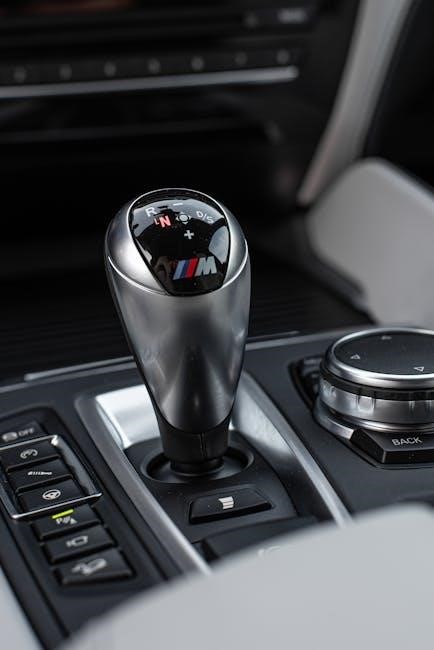
Determining if a BMW 335i is equipped with a manual transmission is relatively straightforward. Visually, the most obvious indicator is the presence of a traditional six-speed shift knob and shifter boot within the center console. Unlike automatic models, there will be no gear selector lever with ‘P’, ‘R’, ‘N’, ‘D’ positions.
Checking the vehicle’s build sheet or VIN decoder is the most reliable method. Online VIN decoders will specifically state “manual transmission” under the drivetrain specifications. Additionally, a manual 335i will lack a steering wheel-mounted shift paddle or the automatic transmission selector stalk. Finally, listening for the distinct sound of a clutch pedal during operation confirms its manual status. Remember that many 335i models were equipped with the automatic transmission, so verification is crucial before purchase.

Common Issues & Problems
The GS645 gearbox in the 335i is prone to specific issues, including rough 3-4-5 upshifts, broken reverse gears, synchro ring failure, and oil leaks.
3-4-5 Upshift Jerk: Causes and Potential Solutions
A common complaint among 335i manual transmission owners is a noticeable jerk during upshifts from 3rd to 4th and 4th to 5th gear. Some BMW technicians even consider this “normal behavior,” however, it significantly detracts from the driving experience. The root cause often lies within the synchronization of the gearbox, specifically wear or damage to the synchro rings.
When synchros are worn, they struggle to match the engine and transmission speeds during a shift, resulting in a clash and the perceived jerk. Contributing factors include aggressive driving habits, infrequent gearbox oil changes, and simply the age and mileage of the transmission. Potential solutions range from a simple gearbox oil change using the correct BMW-specified fluid to a more involved synchro replacement.
A fluid change can sometimes alleviate minor jerking, but a full synchro replacement is often necessary for a permanent fix. It’s crucial to diagnose the severity of the issue before proceeding, as a complete gearbox rebuild might be required if other internal components are also worn or damaged.
Broken Reverse Gear: A Common GS645 Problem
The GS645 gearbox found in the BMW 335i is unfortunately known for a prevalent issue: a failing reverse gear. Numerous owners have reported a complete loss of reverse functionality, often diagnosed as a broken reverse gear synchro ring. This ring, when fractured, obstructs the gear from properly engaging, rendering reverse unusable.
A particularly frustrating aspect of this problem is BMW’s decision not to sell individual replacement parts for the GS645 gearbox. This means a repair isn’t as simple as swapping out the damaged synchro ring; instead, owners are typically forced to purchase a complete exchange gearbox, significantly increasing the cost of repair.
Preventative maintenance, such as careful shifting technique and regular gearbox oil changes, may help prolong the life of the reverse gear. However, given the inherent weakness, it’s a common failure point that many 335i manual owners eventually encounter, requiring a substantial investment to restore functionality.
Synchro Ring Failure: Diagnosis and Repair
Synchro ring failure within the GS645 gearbox of the BMW 335i manifests as difficulty engaging specific gears, often accompanied by grinding noises. This typically occurs during quick shifts or when attempting to select a gear at higher engine speeds. Diagnosing the issue requires a skilled technician to assess which gear(s) are affected and the extent of the damage.
Repairing synchro ring failure necessitates a gearbox teardown, a complex process best left to experienced professionals. While DIY repairs are possible, the intricacies of the GS645 and the potential for further damage make it a risky undertaking. Replacing the synchro rings involves careful disassembly, inspection of other components, and precise reassembly.
Due to BMW’s limited parts availability for the GS645, sourcing replacement synchro rings can be challenging. Often, owners rely on aftermarket suppliers or complete gearbox exchanges. Addressing synchro ring failure promptly prevents further gearbox damage and restores smooth, reliable shifting performance.
Gearbox Oil Leaks: Identifying and Addressing Sources
Gearbox oil leaks in the BMW 335i’s GS645 manual transmission are a common occurrence, often stemming from aging seals and gaskets. Common leak locations include the input and output shaft seals, the selector shaft seal, and the rear main seal. Identifying the source requires a thorough inspection, often utilizing dye testing to pinpoint the exact location of the leak.
Addressing these leaks typically involves replacing the deteriorated seals or gaskets; This necessitates draining the gearbox oil, removing the affected components, cleaning the mating surfaces, and installing new seals with appropriate sealant. Proper torque specifications are crucial to prevent future leaks or damage.
Regularly checking gearbox oil levels and inspecting for leaks is vital preventative maintenance. Ignoring leaks can lead to insufficient lubrication, accelerating wear and potentially causing catastrophic gearbox failure. Promptly addressing leaks ensures optimal gearbox performance and longevity.

Maintenance & Repair
Regular fluid changes with BMW-specified oil are crucial for the GS645 gearbox. Proactive maintenance, including synchro replacement and careful teardowns, extends lifespan and ensures optimal performance.
Recommended Gearbox Oil & Fluid Changes
Maintaining the correct gearbox oil is paramount for the longevity and smooth operation of the GS645 transmission in the BMW 335i. BMW originally specified a specific weight and type of oil for this gearbox, and adhering to these recommendations is vital. While specific formulations may have evolved, generally, a 75W-90 GL-5 gear oil meeting BMW’s standards is recommended.
Fluid change intervals should be considered based on driving conditions. For primarily street use, a change every 30,000 to 40,000 miles is a good practice. However, for those engaging in spirited driving, track days, or frequent hard shifts, shortening the interval to 20,000-30,000 miles is advisable.
Using the incorrect oil can lead to premature wear of synchros and bearings, contributing to the common issues experienced with the GS645. When performing a fluid change, ensure the fill level is correct, as both underfilling and overfilling can cause problems. Inspect the drain plug for any metal shavings, which could indicate internal wear.
Synchro Replacement Procedure (Overview)
Replacing synchro rings within the BMW 335i’s GS645 gearbox is a complex undertaking, best suited for experienced mechanics. The process begins with complete gearbox removal from the vehicle, followed by a full teardown to access the affected synchro. Identifying the worn synchro – often 1st, 2nd, or reverse – is crucial.
Once identified, the corresponding gear and shaft must be disassembled. The old synchro ring is carefully removed, and the new one installed, ensuring correct orientation. Thorough cleaning and inspection of all components are essential before reassembly. Special tools, including pullers and presses, are frequently required.
Reassembly demands meticulous attention to detail and proper torque specifications. Incorrect installation can lead to further damage or continued shifting issues. Given the complexity and potential for error, many owners opt for professional repair or a complete gearbox exchange, as BMW no longer sells individual parts for the GS645.
Gearbox Teardown Considerations (DIY vs. Professional)
Attempting a GS645 gearbox teardown as a DIY project requires significant mechanical expertise, specialized tools, and a dedicated workspace. The gearbox is heavy and complex, demanding careful handling and organization of numerous internal components. A detailed repair manual is absolutely essential, alongside a comprehensive understanding of transmission operation.
Conversely, entrusting the teardown to a professional transmission shop offers several advantages. Experienced technicians possess the necessary tools, knowledge, and diagnostic capabilities to accurately identify issues and perform repairs efficiently. They can also source rebuilt or exchange units if the gearbox is beyond economical repair.
Considering BMW’s discontinuation of individual GS645 parts, a professional assessment is often the most practical route. They can advise on the feasibility of repair versus replacement, potentially saving time and money in the long run. Weighing your skill level, available resources, and the potential risks is crucial before deciding.
Finding Replacement Parts for the GS645
Sourcing replacement parts for the BMW GS645 gearbox presents a significant challenge due to BMW’s decision to discontinue individual component sales. This means obtaining specific parts like synchro rings or gears can be exceedingly difficult and expensive. The primary options involve exploring used parts marketplaces or seeking rebuilt gearbox assemblies.
Online BMW forums, such as BimmerFest and BimmerForums, often host classifieds sections where owners sell used GS645 components. However, verifying the condition and history of these parts is crucial. Alternatively, specialized transmission rebuilders may stock remanufactured GS645 gearboxes or offer rebuild services.
Expect to pay a premium for rebuilt units, but this often proves more cost-effective than a protracted search for individual parts. Exploring international suppliers may yield results, but shipping costs and potential import duties must be factored in. Thorough research and comparison shopping are essential.

Performance & Modifications
Enhancements for the 335i’s manual gearbox include short shifter kits for quicker action, upgraded clutches to handle increased power, and gear ratio swaps. These modifications
aim to optimize shift feel and performance for both street and track applications.
Short Shifter Kits: Improving Shift Feel
Short shifter kits represent a popular modification for the BMW 335i’s manual transmission, addressing a common complaint regarding the factory’s relatively long throw. These kits reduce the distance the shift lever travels between gears, resulting in quicker, more precise shifts and a more engaging driving experience.

Several manufacturers offer short shifters specifically designed for the GS645 gearbox, varying in adjustability and price point. Some kits simply replace the existing shift linkage components, while others involve more extensive modifications to the shift mechanism. Adjustability allows drivers to fine-tune the shifter throw to their personal preference.
Installation typically requires removing the center console and accessing the shift linkage. While some enthusiasts undertake this task themselves, professional installation is recommended to ensure proper alignment and avoid potential issues. The benefits extend beyond quicker shifts; a shorter throw can improve driving confidence and overall control, particularly during spirited driving or track use.
Clutch Upgrades: Handling Increased Power
For 335i owners modifying their engines for increased horsepower and torque, upgrading the clutch becomes essential to maintain reliable power transfer. The stock clutch in the manual 335i is often the first component to fail when subjected to significant performance gains from tuning or hardware modifications.
Numerous aftermarket clutch options are available, ranging from mild upgrades for slightly increased power to heavy-duty clutches designed for substantial horsepower figures. Key specifications to consider include disc material (organic, ceramic, or a blend), clamping force, and friction coefficient. Ceramic clutches offer superior heat resistance and grip but can be less forgiving for daily driving.
Installation of an upgraded clutch typically requires removing the transmission, making it a labor-intensive process best left to experienced mechanics. It’s also crucial to inspect and potentially replace the flywheel during this process. A properly matched clutch upgrade ensures that the increased engine output is effectively translated into acceleration, preventing slippage and preserving the drivetrain’s integrity.
Gear Ratio Options: Optimizing for Track or Street
The GS645 gearbox in the 335i offers some flexibility in gear ratio selection, allowing owners to tailor the car’s performance characteristics to their specific needs. While swapping the entire gearbox is complex, changing the final drive ratio is a more accessible modification.
Shorter final drive ratios (numerically higher, like 3.91:1) provide quicker acceleration but reduce top speed, making them ideal for track use or spirited street driving. Conversely, longer ratios (numerically lower, like 3.38:1) prioritize fuel economy and comfortable highway cruising at the expense of initial acceleration.
Choosing the optimal ratio depends on the intended use of the vehicle and the engine’s power band. Considerations include the type of tracks frequented, typical driving conditions, and desired balance between acceleration and top-end speed. Careful planning and research are crucial to select a final drive ratio that complements the 335i’s overall performance goals.

Comparison to Automatic Transmissions
The manual GS645 offers a more engaging driving experience compared to the automatic, providing greater control and driver involvement. However, automatics generally offer quicker shift times and ease of use.

Reliability between the manual and automatic 335i transmissions varies, with the automatic ZF gearbox often considered more robust, though both can experience issues.
Manual vs. Automatic: Driving Dynamics
The core difference between the manual and automatic transmissions in the BMW 335i lies in the driving experience they deliver; The six-speed manual, the GS645, fosters a direct connection between driver and machine, demanding active participation in gear selection and clutch control. This results in a more immersive and engaging feel, particularly for enthusiasts who relish the control over engine RPM and power delivery.
Conversely, the automatic transmission prioritizes convenience and ease of use. It handles gear changes autonomously, allowing the driver to focus on steering and braking. While modern automatics offer manual shift modes, they often lack the raw, tactile feedback of a true manual gearbox. The automatic provides smoother transitions in everyday driving, but can sometimes feel less responsive during spirited driving compared to the manual’s immediate engagement.
The manual gearbox encourages a more deliberate driving style, requiring anticipation and precise timing. This can lead to a more rewarding experience on winding roads or during track days, where the driver can fully exploit the engine’s powerband. The automatic, while capable, may not offer the same level of nuanced control.
Reliability Comparison: Manual vs. Automatic 335i
Assessing the long-term reliability of the 335i’s manual (GS645) versus automatic transmissions reveals distinct patterns. While both have potential failure points, the manual gearbox presents unique concerns. The GS645 is known for specific issues like the 3-4-5 upshift jerk and, notably, a susceptibility to broken reverse gear synchro rings – a component BMW discontinued parts support for, necessitating complete gearbox replacements.
Automatic transmissions in the 335i, typically ZF units, generally exhibit greater overall reliability, though they aren’t immune to problems. Common issues include valve body failures and mechatronic unit malfunctions, which can be costly to repair. However, parts availability for the automatic is significantly better than for the manual.
Preventative maintenance is crucial for both. Regular gearbox oil changes are vital for the manual, while the automatic requires fluid services and careful monitoring of its condition. Ultimately, a well-maintained automatic 335i may prove more reliable in the long run, but a meticulously cared-for manual can offer years of driving pleasure, provided potential issues are addressed promptly.