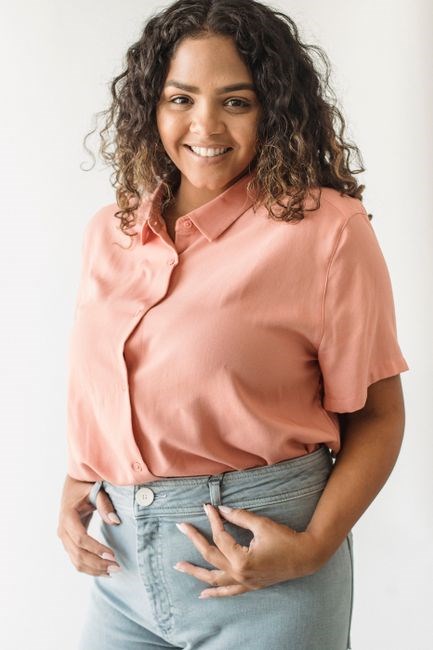
What Is a Button-Up Shirt?
A button‑up shirt is a versatile, collar‑framed garment that fastens with buttons along a front placket․ It blends formal and casual styles, offering a clean silhouette suitable for work, events, or relaxed settings․ Proper fit hinges on accurate body and shirt measurements․ Slim to classic and fits․!!
Definition
A button‑up shirt is a structured, collar‑framed garment designed for both formal and casual wear․ It features a series of buttons running from the collar to the hem, allowing the wearer to adjust the level of closure for comfort, style, or temperature control․ The front placket typically consists of a button line that can be fully fastened, partially closed, or left open, providing versatility in appearance․ The shirt’s construction usually includes a set of darts or seams that shape the torso, a yoke that supports the shoulders, and a collar that can be worn flat or folded back․ Materials range from crisp cottons and linens for business settings to relaxed blends and performance fabrics for everyday use․ Button‑up shirts are available in a variety of fits—slim, regular, or tailored—each offering a distinct silhouette that complements different body types․ The garment’s length, sleeve length, and cuff style can vary, allowing for customization to suit personal preference or dress codes․ In essence, a button‑up shirt serves as a foundational wardrobe piece that balances structure with adaptability, making it a staple for men and women alike across diverse occasions and seasons․

Key Body Measurements
Body measurements guide the fit of a button‑up shirt․ Key dimensions include chest, waist, neck, sleeve, shoulder, and length․ Measure around the fullest chest, waist at the navel, neck below the Adam’s apple, sleeve from shoulder seam to wrist, and shoulder width across the back for a tailored fit․ and proper sizing․!
Chest and Waist
Chest and waist measurements are foundational for selecting a button‑up shirt that balances comfort and style․ To measure the chest, wrap a flexible tape around the widest part of the torso, just beneath the armpits, and record the circumference in inches or centimeters․ For the waist, locate the natural waistline—typically the narrowest section above the belly button—and measure around it․ These two numbers inform the shirt’s overall width and sleeve length, ensuring the garment sits snugly without excess fabric․ A well‑fitted shirt should allow a finger’s worth of space between the chest and the shirt’s body, while the waist measurement should align with the shirt’s yoke for a tailored look․ If you’re between sizes, consider a slim or regular fit depending on your body type; a slim fit will accentuate a narrower chest, whereas a regular fit offers more room for broader shoulders․ Always compare your measurements to the brand’s size chart, as variations in cut and fabric can shift the ideal fit․ Remember that a properly measured chest and waist not only enhance appearance but also improve mobility and breathability, making the shirt suitable for both formal occasions and everyday wear․ When shopping, always try the shirt on or review the brand’s detailed sizing guide, noting differences in fabric weight and cut․ Pay attention to the yoke width, cuff shape, and collar style, as these elements influence overall fit․ A complements your silhouette but also serves as a staple that can be dressed up or down for any occasion․
Neck and Sleeve
Accurate neck and sleeve measurements are crucial for a button‑up that feels neither tight nor loose․ For the neck, place a soft tape just below the Adam’s apple, allowing a finger’s width of space for comfort․ Record the circumference in inches or centimeters․ Sleeve length is measured from the center of the back at the shoulder seam, down the arm to the wrist bone, ensuring the cuff sits just above the wrist crease․ A well‑measured sleeve should allow a small amount of movement without excess fabric․ When comparing to a brand’s chart, note that sleeve length can vary with cuff style—regular, French, or buttoned․ A longer sleeve may be needed for taller frames, while a shorter sleeve suits a more compact build․ Some brands offer a “long sleeve” option; use the exact arm span measurement to decide․ Additionally, the shirt’s cuff width influences the overall sleeve feel; a narrow cuff provides a streamlined look, whereas a wider cuff offers a relaxed silhouette․ Always try the shirt on or review the brand’s detailed sizing guide, paying attention to the yoke width and collar style, as these elements affect the neck’s fit․ A properly fitted neck and sleeve not only enhance the shirt’s appearance but also improve comfort and mobility, making it suitable for both formal occasions and everyday wear․ Tailors advise checking cuff button placement; a cuff that sits too high strains the look, while one too low appears sloppy․ For polish, align the cuff seam with the wrist bone, and match cuff width to the shirt’s overall style․ Thanks․
Shoulder and Length
Shoulder measurements determine how a shirt sits across the upper back and front․ Measure from the outer edge of one shoulder seam to the outer edge of the opposite seam, following the natural curve of the shoulder․ This width should match the chest measurement at the widest point to avoid a boxy look․ A proper shoulder fit ensures the collar sits flat and the sleeves align with the arm without pulling․ Length is equally critical; it is measured from the top of the shoulder at the front, just above the collar bone, down to the desired hemline․ For a classic fit, the shirt should fall just below the waistline, allowing a small amount of fabric to tuck or drape․ Modern slim styles often end near the hips, good fit․ When selecting a size, compare your shoulder width to the brand’s chart; a difference of more than 1 inch can cause the shirt to feel tight or loose․ Length discrepancies affect both comfort and appearance: too short may expose the waist, while too long can look baggy․ Tailors recommend adjusting the yoke or taking in the shoulder seam for a perfect fit․ Additionally, the shirt’s yoke should sit flush with the shoulder line, preventing a “pushed‑in” look․ For taller individuals, a longer yoke and sleeve length may be necessary․ Always try on a shirt with the intended cuff style—regular or French—to ensure the shoulder and length work together harmoniously․ A well‑measured shoulder and length create a balanced, polished look that transitions seamlessly from office to evening wear․ very well fit!!!!

Shirt-Specific Measurements
Collar size is measured around the base of the neck, adding a finger’s width for comfort․ Sleeve length runs from the shoulder seam to the cuff, ensuring a proper fit․ Shirt length, from the collar to hem, should fall just below the waist for a classic look․ Add a slight break for a polished look today
Collar
To determine the correct collar size for a button‑up shirt, start by measuring the circumference around the base of your neck, just below the Adam’s apple․ Use a flexible tape measure or a piece of string marked with a pencil․ The measurement should be taken with the tape snug but not tight, allowing a small amount of slack for comfort․ A good rule of thumb is to add about one to one‑and‑a‑half inches (2․5–3․8 cm) to the raw measurement to account for ease and to accommodate a collar stay or a small shirt collar․ For example, if your neck measures 15 inches (38 cm), you would look for a collar size of 16 inches (41 cm)․
When selecting a shirt, pay attention to the collar style․ A standard button‑down collar typically has a width of 2․5–3 inches (6․4–7․6 cm) from the edge of the collar to the point where the collar meets the shirt front․ A spread collar, which is wider and often used for a more formal look, may have a width of 3–3․5 inches (7․6–9 cm)․ The width affects how the collar sits on the neck and how the shirt fits overall․ Additionally, the collar’s shape—whether it is a classic point, a cut‑away, or a round collar—can influence the visual balance of the garment․ A point collar tends to elongate the neck, while a round collar can soften the profile․
It is also important to consider the collar’s shape․ A button‑down collar with a slight point will sit differently than a round or a cut‑away collar․ When trying on shirts, ensure the collar lies flat against the neck without pinching or gaping․ If the collar is too tight, it can cause discomfort and may alter the shirt’s appearance․ If it’s too loose, the shirt may look baggy and unstructured․ Adjusting the collar size can be done by a tailor, who can trim or stretch the collar material to achieve a perfect fit․ Tailors may also add or remove collar stays to fine‑tune the collar’s stiffness and shape․
In addition to the raw measurement, some brands provide a collar size chart that correlates inches to shirt sizes (e․g․, 15 inches = size 15, 15․5 inches = size 15․5)․ Always cross‑reference the brand’s specific chart, as sizing can vary between manufacturers․ For the most accurate fit, try on a shirt that matches your collar measurement and adjust for comfort and style preferences․ A well‑fitted collar not only enhances comfort but also elevates the overall silhouette, making the shirt suitable for both business and casual occasions․
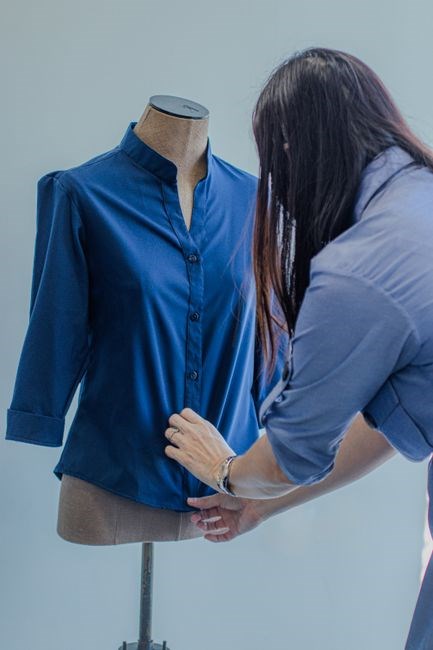
Shirt Length
Shirt length is measured from the top of the shoulder at the front, just above the collarbone, down to the desired hem point․ For a classic fit, the hem typically falls around the mid‑bicep or just below the waist, providing a balanced proportion for both formal and casual wear․ Modern slim styles may cut the length slightly shorter, ending near the upper thigh, while traditional business shirts often extend to the lower thigh for a more conservative look․ To find the optimal length, stand straight and measure from the highest point of the shoulder to the point where you want the shirt to fall․ This measurement should be taken with the shirt on, ensuring the fabric drapes naturally and the collar sits flat․ A length that is too short can expose the waistband or create a boxy shape, whereas an overly long shirt can look baggy and may require a tailored hem․ Many brands offer a length chart that correlates inches to shirt sizes (e․g․, 32 inches = size 32, 34 inches = size 34)․ Always cross‑reference the brand’s specific chart, as sizing can vary between manufacturers․ Tailors can adjust the length by cutting or adding fabric, ensuring the shirt fits your body shape and style preferences․ A well‑measured shirt length not only enhances comfort but also improves the overall silhouette, making the garment suitable for a wide range of occasions․ Whether you prefer a tailored fit for boardroom meetings or a relaxed look for weekend outings, mastering shirt length ensures you look polished, comfortable, and confident in any setting․!!!!!!
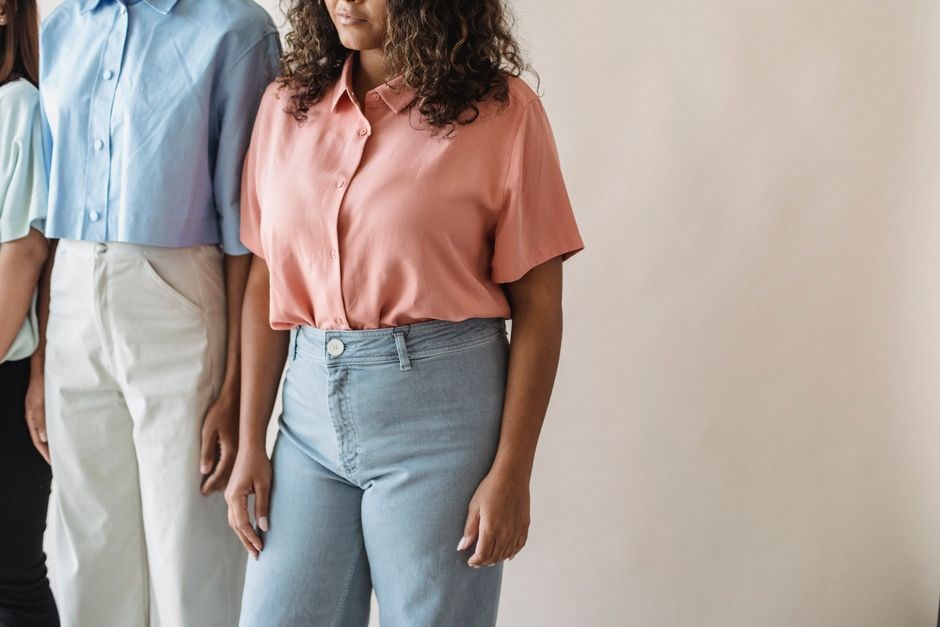
Fit Styles and Size Selection
Choosing the right fit involves comparing body measurements to brand charts․ Slim styles taper at waist and shoulders, while regular offers room for movement․ Classic cuts favor traditional proportions; modern cuts lean toward a streamlined silhouette․ Choose wisely and fit

Slim vs Regular

Choosing between slim and regular fits hinges on body shape, lifestyle, and personal preference․ Slim‑fit shirts are tailored to hug the torso, featuring narrower shoulders, a tapered waist, and shorter sleeves․ This cut accentuates a lean silhouette, making it ideal for slimmer frames or those who prefer a contemporary, streamlined look․ However, it can feel restrictive for broader shoulders or a thicker torso, and may require more frequent adjustments for comfort․
Regular‑fit shirts offer a relaxed, classic cut with a slightly looser torso, broader shoulders, and longer sleeves․ They provide ample room for movement, making them suitable for larger frames, athletic builds, or individuals who favor a traditional, comfortable feel․ Regular fits also accommodate layering, as the extra space allows for sweaters or jackets without bunching․
When selecting a size, start with accurate chest and waist measurements․ For slim fits, match your chest measurement to the brand’s slim chart; for regular, use the regular chart․ Pay attention to sleeve length and shoulder width: slim shirts often have shorter sleeves, while regular shirts may extend further to accommodate larger shoulders․ Try both styles in a fitting room if possible, noting how the shirt drapes over your shoulders, chest, and waist․ A well‑chosen fit will balance style and comfort, ensuring the shirt complements your physique without compromising mobility or appearance․
Ultimately, the right choice depends on how you want the shirt to sit on your body and the look you aim to achieve․ If you’re unsure, many brands offer a trial period or return policy, allowing you to test both fits before committing․
Classic vs Modern
Classic shirts maintain a timeless silhouette: a slightly looser torso, a straight cut, and a longer sleeve that sits comfortably at the wrist․ They feature a traditional collar shape, a modest button count, and a relaxed fit that accommodates layering․ The classic style is ideal for formal occasions, business settings, or anyone who values a polished, understated look․ It offers ample room for movement and is forgiving for larger frames or those who prefer a more relaxed feel․
Modern shirts, on the other hand, embrace a sharper, contemporary aesthetic․ They are cut tighter across the chest and waist, often with a tapered profile that accentuates a lean physique․ Modern collars may be slimmer or feature a subtle spread, and the sleeves are typically shorter to match the streamlined cut․ These shirts are designed for a sleek, on‑trend appearance, making them perfect for casual office wear, social events, or anyone who wants a bold, fashion‑forward statement․
When selecting between classic and modern, consider your body shape, the occasions you’ll wear the shirt, and your personal style․ Classic fits provide versatility and comfort, while modern cuts deliver a bold, current look․ Many brands offer both options, so you can experiment and find the style that best complements your wardrobe and lifestyle․ If you’re unsure, many retailers provide free returns or fitting guides, allowing you to try both styles at home before making a final decision․ This guarantees a confident fit without fuss!

Shopping and Tailoring Tips

Measure at home with a soft tape, noting neck, chest, waist, sleeve, and shoulder․ Compare to brand charts online․ Try on sizes; if too long, shorten sleeves; if too tight, consider a slim fit․ For perfect fit, bring a trusted tailor for precise adjustments․ Keep fit․
Online Shopping
When buying a button‑up online, start by measuring your neck, chest, waist, sleeve length, and shoulder width with a flexible tape․ Compare these numbers to the retailer’s size chart, which often lists measurements in inches or centimeters․ Look for brands that offer a “fit guide” or “size recommendation” tool that matches your data to a specific size․ Pay close attention to the shirt’s length and sleeve style—some sites provide a “length” column that indicates whether the shirt is short, regular, or long․ Check customer reviews for fit comments; many shoppers note if a shirt runs small or large․ If the site offers free returns, use this as a safety net to try multiple sizes․ Finally, consider the fabric weight and cut: a lightweight cotton may shrink slightly after washing, while a heavier blend may hold shape better․ By aligning your measurements with the chart and reading real‑world feedback, you can reduce the risk of ordering a shirt that doesn’t fit․
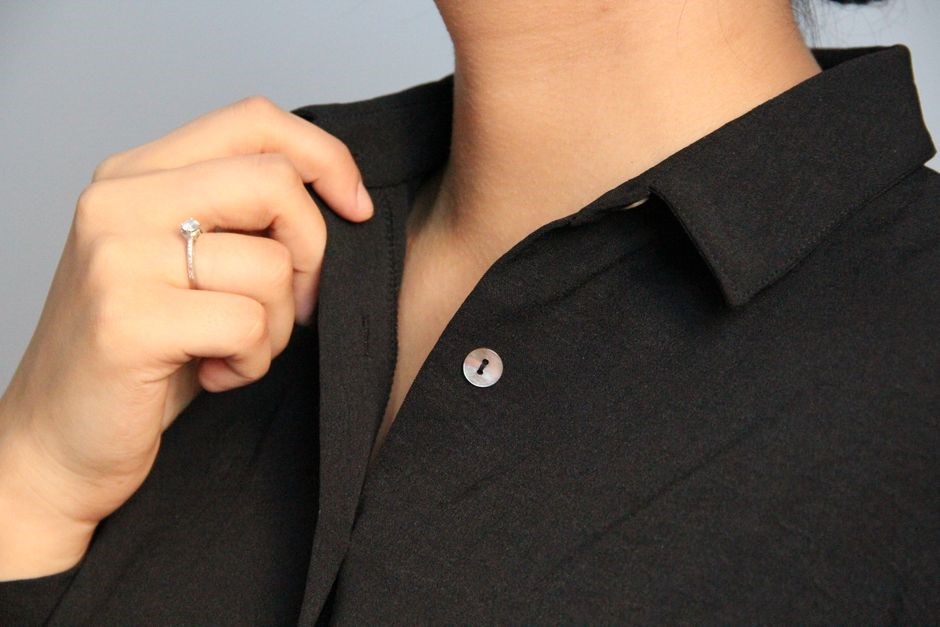
- Start by measuring your neck, chest, waist, sleeve length, and shoulder width with a flexible tape; record each figure accurately․
- Compare these figures to the retailer’s size chart; many brands provide a “fit guide” that matches your measurements to a specific size․
- If the shirt feels too tight around the chest or shoulders, try a size larger; if it’s too loose, a smaller size may be better․
- After ordering, check the return policy; many retailers allow a 30‑day return if the shirt doesn’t fit or is damaged․
Always double‑check measurements before finalizing to ensure a fit daily everynow․
Tailor Adjustments
Even the best online size guide can miss subtle fit nuances—especially around the shoulders, chest, and sleeve․ A professional tailor can refine these details to make a shirt feel tailored․ Begin by bringing a shirt that fits well in area but has issues Common adjustments include:
- Shoulder seam – If the shoulder line sits below the natural shoulder, the tailor will take in or let out the seam to align with the shoulder bone․
- Chest and waist – For a slimmer look, the tailor can take in the side seams; for a looser feel, they can let out the seams or add a vent․
- Sleeve length – Shorten or lengthen sleeves by taking in or letting out the sleeve seams, ensuring the cuff sits at the wrist without excess fabric․
- Collar shape – Adjust the collar’s width or angle to suit the wearer’s neck size, or change the collar style (e․g․, from a standard to a spread)․
- Hem – Shorten the hem to the desired length, whether a classic 2‑inch drop or a longer, more relaxed cut․
- Yoke and back – Tighten or loosen the yoke area to improve shoulder fit and overall silhouette․
Before any alteration, the tailor will mark the shirt with a pencil to indicate the desired changes; After adjustments, the shirt is pressed and inspected for symmetry and comfort․ Tailoring can extend the life of a shirt, reduce waste, and provide a confidence‑boosting fit that feels uniquely yours․