
Explore sword buying with confidence: assess blade type‚ steel grade‚ and handle ergonomics. Prioritize safety‚ legality‚ and durability. Use trusted reviews‚ compare online and local shops‚ and choose a sword that balances performance and value. Choose wisely enjoy responsibly.

Sword Types and Their Uses
Choose a sword by purpose: combat‚ ceremony‚ training. Combat blades favor sharp edges‚ balanced weight. Ceremonial swords emphasize aesthetics‚ often heavier‚ less functional. Training swords are durable‚ often blunted‚ and cost-effective for drills. Choose wisely for skill and law.
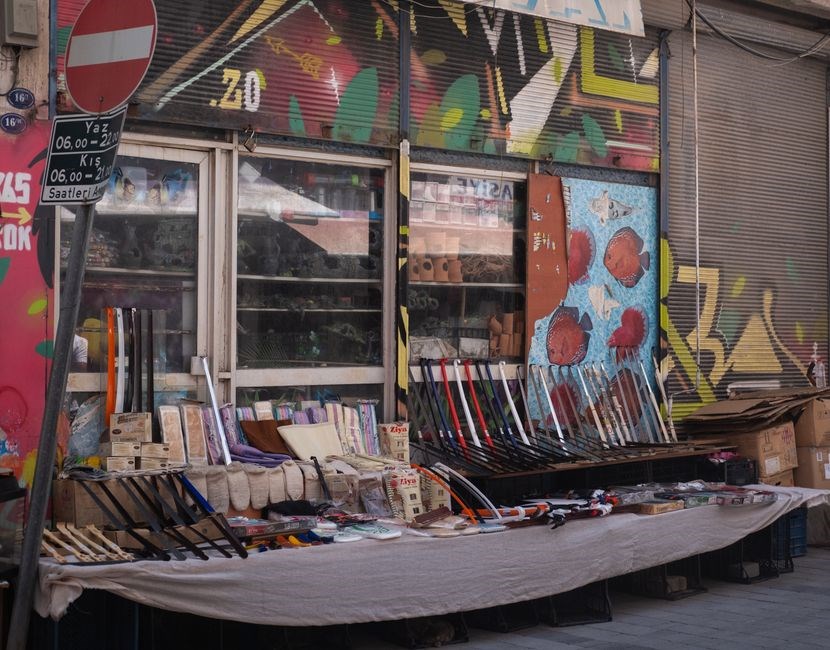
Regional Styles (Katana‚ Gladius‚ Sabre)
When selecting a sword‚ regional styles reveal cultural heritage and functional nuances. The Japanese katana‚ forged through a differential heat‑treatment process‚ produces a distinctive hamon (temper line) and a razor‑sharp edge that excels in quick‚ decisive cuts. Its single‑edge‚ slightly curved blade and long‚ slender tsuba guard make it ideal for both ceremonial display and historical reenactment. The Roman gladius‚ a short‚ double‑edge thrusting sword‚ emphasizes close‑quarters combat. Its compact 20‑30 inch blade‚ reinforced with a cruciform hilt‚ offers excellent balance and penetration power‚ valued by reenactors and collectors who value authenticity. The European sabre‚ a single‑edge‚ slightly curved blade that evolved from Ottoman and Russian cavalry swords‚ balances cutting and thrusting capabilities. Its mid‑length 30‑40 inch blade and robust grip suit both mounted and foot‑soldier applications. Understanding these regional distinctions helps buyers match a sword’s aesthetic appeal with its intended use‚ whether for display‚ practice‚ or historical accuracy. Additionally‚ each style’s construction techniques—such as the katana’s folding steel‚ the gladius’s simple forge‑welded laminar structure‚ and the sabre’s layered steel—affect durability‚ maintenance‚ and resale value. By researching reputable smiths and verifying authenticity markers like maker marks‚ blade geometry‚ and material composition‚ buyers can secure a piece that reflects both tradition. Collectors often seek limited‑edition reproductions that incorporate modern metallurgy while preserving traditional aesthetics. Moreover‚ regional regulations on blade length and point design can influence legality in certain jurisdictions‚ so buyers should consult local statutes before purchase. This knowledge empowers confident purchases now
Historical Periods (Medieval‚ Renaissance‚ Modern)
In a sword buyer’s guide‚ the era of origin shapes design‚ metallurgy‚ and purpose. Medieval swords—such as the European arming sword‚ the longsword‚ and the falchion—were forged from wrought or pattern‑welded steel‚ often tempered by hand. Their blades‚ typically 30‑40 inches‚ balanced cutting and thrusting‚ and were prized for versatility in castle sieges. The Renaissance period introduced the greatsword and the rapier‚ reflecting shifts toward duelling culture and courtly display. Greatswords‚ with 45‑50 inch blades and cruciform hilts‚ required two‑handed grip and favored sweeping cuts; rapier blades‚ slender and sharply pointed‚ emphasized thrusting and intricate guard designs. Modern swords‚ produced from high‑carbon or alloy steels‚ incorporate advanced heat‑treatment and sometimes composite backing for weight reduction. These blades‚ ranging from 30‑45 inches‚ serve ceremonial‚ training‚ and collector markets. Buyers should verify period authenticity through maker marks‚ blade geometry‚ and metallurgical analysis. Understanding the historical context informs expectations about weight‚ balance‚ and maintenance‚ ensuring the sword aligns with intended use—whether reenactment‚ martial arts‚ or display. Proper research guarantees a purchase that honors tradition while meeting contemporary safety and legal standards.
Modern swords often use 1095 or 440C steel‚ heat‑treated for a hard edge that stays sharp. Composite backing reduces weight while keeping balance. Buyers should check edge geometry‚ hilt grip‚ and guard to avoid slips. Verify local laws on blade length and point design to avoid legal issues during transport or display. Consult reputable smiths for authenticity and provenance today now!.
Functional Roles (Combat‚ Ceremonial‚ Training)
When selecting a sword‚ consider its primary purpose. Combat swords—designed for battlefield or self‑defense—require a balance between cutting power and maneuverability. They typically feature a robust hilt‚ a full‑guard or cross‑guard‚ and a blade that can withstand repeated strikes. Ceremonial swords‚ often used in parades or religious rites‚ prioritize appearance over practicality. These blades are usually polished‚ may have decorative inlays‚ and are lighter to allow graceful handling. Training swords aim to replicate combat characteristics while reducing risk. They are often made from tempered steel or composite materials‚ have a slightly rounded tip‚ and include a safety guard. Each role influences blade length‚ weight‚ and edge geometry. Combat swords favor a sharper edge and a slightly heavier balance point; ceremonial blades favor a lighter‚ more ornate design; training swords balance durability with a forgiving tip. Understanding these distinctions helps buyers match a sword to its intended use‚ ensuring safety‚ performance‚ and compliance with local regulations. Collectors often seek swords that display period‑accurate tooling‚ such as hand‑tied hilt cords or lacquered guards‚ while martial artists prioritize a blade that can endure repeated strikes without chipping‚ making the choice a balance between aesthetic fidelity and functional resilience. Such flexibility ensures each sword meets functional demands while reflecting the owner’s heritage and ethos.!

Materials and Construction Quality
Quality hinges on steel grade‚ forging technique‚ and blade geometry. 440C or 1095 steels offer edge retention‚ while Damascus layers add strength. Handles of G10 or Micarta provide grip‚ and proper heat‑treatment ensures longevity long!
Steel Grades (440C‚ 1095‚ Damascus)
Choosing the right steel is foundational for any sword buyer. 440C‚ a high‑carbon stainless alloy‚ offers excellent corrosion resistance and a sharp edge that holds for months with proper maintenance. It’s ideal for collectors and ceremonial pieces where appearance and longevity outweigh cutting performance. 1095‚ a plain carbon steel‚ delivers a razor‑sharp edge and a classic martensitic structure. Its high carbon content allows deep heat treatment‚ producing a hard‚ durable blade that can be honed to a fine point. However‚ it is more prone to rust‚ making regular oiling essential for long‑term use. When evaluating a sword‚ inspect the steel’s heat‑treatment marks‚ edge retention‚ and overall balance. A well‑crafted blade will exhibit a consistent grind‚ a clean edge‚ and a smooth transition from spine to tip. Remember that the steel’s grade is only one factor; proper forging‚ quenching‚ and tempering processes are equally critical to achieving a reliable‚ high‑performance sword. 440C blades are tempered around 200–250 °C for a balanced hardness. 1095 blades are quenched in oil then water‚ tempered at 150 °C. Damascus blades combine 1–3 layers of 440C and 1095‚ patterned and heat‑treated for a hard edge. Buyers should verify that the manufacturer documents these processes‚ as a reputable maker will provide heat‑treatment certificates and detailed specifications. Collectors value grain patterns; martial artists focus on edge retention and balance. Kit and warranty!
Alternative Blades (Carbon Fiber‚ Composite)
Modern sword enthusiasts turn to non‑metallic blades for training‚ display‚ or safety! Carbon‑fiber blades‚ composed of woven fibers in epoxy‚ offer a lightweight‚ virtually non‑rusting alternative to steel!! Their tensile strength rivals high‑carbon steel‚ yet material flexibility reduces accidental cuts during practice!! Because carbon fiber does not retain a sharp edge‚ these swords suit light‑touch drills and ceremonial parades where a realistic silhouette is desired! Composite blades blend carbon fiber with polymers to create a hybrid that mimics steel’s heft while keeping a low profile! for safe handling. Manufacturers add a steel insert to the cutting edge‚ allowing a functional edge for controlled practice while keeping the blade lighter! These composites are popular in competitive fencing and martial arts where weight reduction improves speed and stamina! When selecting a carbon‑fiber or composite sword‚ verify the manufacturer’s heat‑treatment claims! to ensure optimal performance!!! Look for reinforced core structures and proper curing to ensure dimensional stability! Additionally‚ consider the blade’s balance point; a front‑heavy design can compensate for the lower mass of the composite‚ providing a more authentic feel! Finally‚ note that these blades typically lack the historical authenticity prized by collectors‚ but they excel in safety‚ durability‚ and low maintenance for modern training environments!!!
Handle Materials (Wood‚ G10‚ Micarta)
Wooden grips—walnut‚ oak‚ maple—offer natural heft and tactile feel but need oiling to resist moisture.
Synthetic G10 and Micarta are lightweight‚ rigid‚ and moisture‑resistant; they provide smooth‚ ergonomic handles that stay firm during use.
A secure tang lock and well‑fitted handle keep the sword attached‚ preventing accidental release and extending its life.
When choosing a handle‚ balance is key: a heavier wood handle shifts the center of gravity forward‚ boosting cutting power‚ while a lighter G10 or Micarta handle offers quicker swing speed. Finish quality matters; a well‑sealed handle reduces sweat absorption‚ improving grip during prolonged use. Collectors may prefer a hand‑carved wooden grip with a traditional quill or pommel for authenticity‚ whereas practitioners often opt for synthetic handles for low maintenance and durability. Regular inspection for cracks‚ resin degradation‚ and tightening of the tang ensures long‑term safety and performance. Cleaning and oiling the handle surface further prolongs comfort and grip and ensures a secure grip.
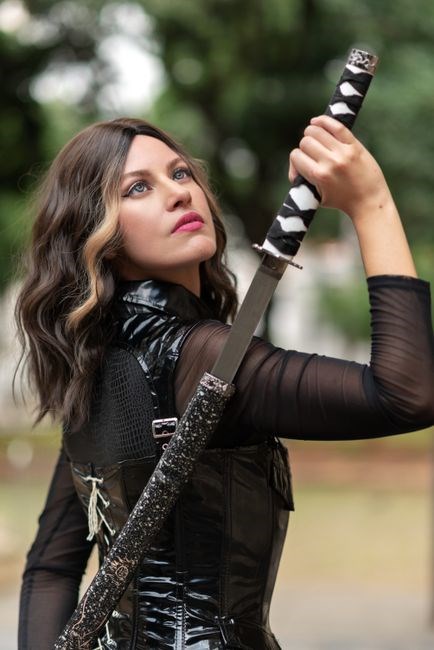
Design Factors Affecting Performance
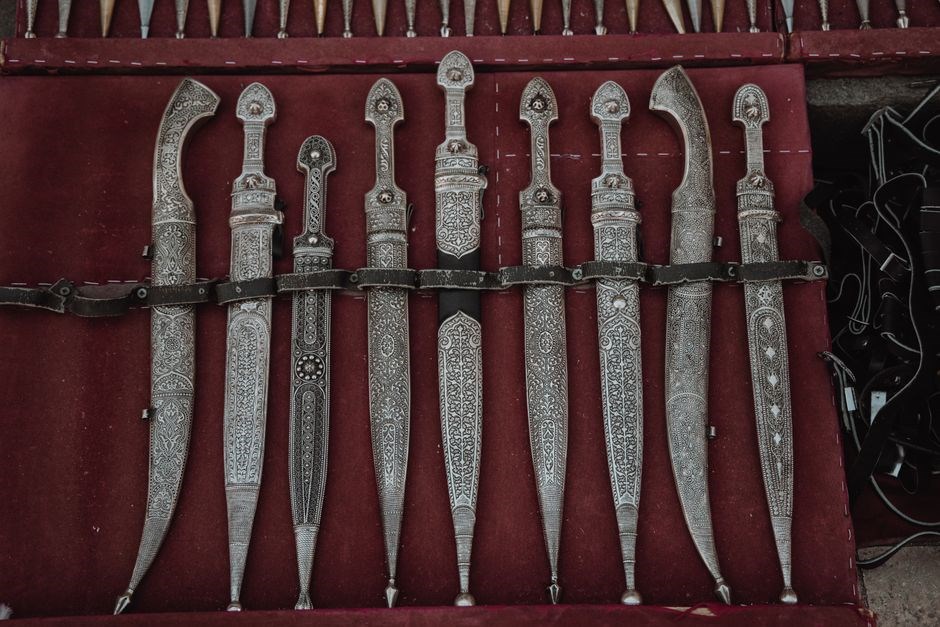
Design choices shape a sword’s effectiveness. Blade length‚ weight‚ and balance dictate swing speed and cutting depth. A well‑balanced edge maintains sharpness‚ while a properly tapered tip enhances control. Ergonomic grips reduce fatigue‚ ensuring consistent performance. Safe use now
Blade Length‚ Weight‚ and Balance
Choosing the right blade length is foundational; it determines reach‚ leverage‚ and suitability for specific martial arts or display purposes. A longer blade offers extended reach but can feel unwieldy in tight spaces‚ while a shorter blade provides agility and faster strikes. Weight distribution is equally critical: a blade that is too heavy in the tip may cause fatigue and reduce accuracy‚ whereas a blade that is too heavy near the handle can feel unbalanced and slow. The ideal balance point sits near the handle’s center‚ allowing the user to maintain control during rapid swings. Many modern swords achieve this through careful tapering of the spine and strategic placement of the tang. Additionally‚ the blade’s cross‑section shape influences how weight is perceived; a thicker spine adds stiffness and a more pronounced weight‚ while a thinner spine offers a lighter feel. When evaluating a sword‚ measure the overall length from hilt to tip‚ note the weight in grams or ounces‚ and test the balance by holding the blade at the midpoint. A well‑balanced sword will feel centered‚ enabling smooth transitions between offensive and defensive maneuvers. Remember that personal preference and intended use ultimately guide the optimal combination of length‚ weight‚ and balance.
A balanced sword feels right‚ boosts confidence‚ and lets practitioners focus on technique daily now.
Edge Sharpness‚ Retention‚ and Maintenance
Sharpness is the first indicator of a sword’s readiness for cutting. A freshly sharpened blade should produce a clean‚ crisp edge that can slice through paper or light fabric with minimal effort. Retention refers to how long that edge stays sharp under repeated use; high‑grade steels such as 440C or 1095 with proper heat treatment typically retain edge for longer periods. Maintenance practices directly influence both sharpness and retention. Regular honing with a steel rod keeps the edge aligned‚ while periodic sharpening on a whetstone or electric sharpener restores true edge geometry. For functional swords‚ a routine schedule might involve honing after each session and sharpening every few weeks‚ depending on frequency of use. Protective measures‚ such as using a blade guard or sheath‚ reduce accidental dulling. Proper storage—dry‚ temperature‑controlled environments—prevents rust that can degrade edge quality. When purchasing‚ inquire about the manufacturer’s recommended maintenance regimen and whether the sword comes with a honing guide or a set of sharpening stones. Understanding these details helps buyers choose a sword that will remain reliable‚ safe‚ and effective throughout its life. A well‑maintained edge not only improves performance but also extends the overall lifespan of the blade‚ making it a worthwhile investment for serious practitioners. Regular care ensures the blade stays sharp and safe for years‚ every once.

Legal‚ Safety‚ and Purchasing Guidance
Before buying‚ check local laws on ownership‚ transport‚ and display. Use certified dealers‚ verify serial numbers‚ and keep receipts. Store swords in a locked case‚ use protective sheaths‚ and practice safe handling. Choose reputable shops for quality assurance and inspect for rust.!
Local Laws and Transport Rules

Airlines require the sword in a case with a lock‚ blade sheathed. Some carriers allow checked luggage only if sheathed; others require declaration at security. For road transport‚ many states mandate the sword be stored in a locked container preventing accidental access. Keep documentation and a valid reason for possession‚ such as martial arts events‚ to avoid legal complications.!
Shopping Options: Online vs Physical Stores

Choosing between online vendors and brick‑and‑mortar shops hinges on several practical factors. Online marketplaces offer a vast catalog‚ often with detailed specifications‚ user reviews‚ and competitive pricing. They allow you to compare multiple brands side‑by‑side‚ read expert commentary‚ and access niche suppliers that may not have a physical presence in your region. However‚ the lack of tactile inspection can be a drawback; you cannot feel the weight‚ balance‚ or handle ergonomics before purchase. Shipping costs‚ potential import duties‚ and the risk of damage during transit also factor into the decision. Many reputable online sellers provide return policies and guarantee authenticity‚ but verifying the seller’s credibility remains essential. Physical stores‚ on the other hand‚ provide immediate inspection. You can test the blade’s heft‚ feel the grip‚ and assess the overall build quality in person. Staff may offer personalized advice‚ especially in specialty shops that cater to martial artists‚ reenactors‚ or collectors. The ability to negotiate price‚ request custom fittings‚ or see limited‑edition releases in real life can be an advantage. Yet‚ local inventories are limited by space and demand soyou encounter fewer options and high prices!!!. Additionally‚ some regions restrict the sale of sword types to licensed dealers‚ which can complicate in‑store purchases.
.
Budgeting and Value Assessment
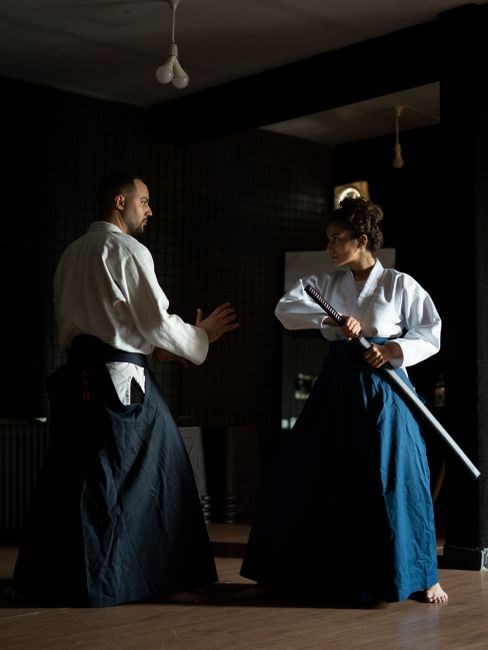
Consider storage costs like cases or protective sheaths‚ adding $50–$200 to the total now!!
Consider long‑term storage costs‚ such as climate‑controlled cases or protective sheaths‚ which can add $50–$200 to the total. For training swords‚ a lower‑grade blade may be acceptable‚ but for reenactment authenticity matters. Market trends can inflate prices by 20% or more. Always verify seller credentials‚ request serial numbers‚ and confirm the blade meets safety standards before finalizing the purchase. Additionally‚ factor in the cost of protective sheath climate‑controlled case which can add $50–$200 to overall investment now!
When budgeting‚ also account for the cost of a protective sheath and a climate‑controlled case‚ which can add $50–$200 to the overall investment. For collectors‚ the provenance of the sword‚ including maker marks and historical documentation‚ can significantly influence resale value!!!!!! In addition‚ consider the cost of maintenance supplies such as oil‚ honing stones‚ and a proper storage rack. For those who practice martial arts‚ a blade that retains its edge after repeated strikes is essential‚ and this often justifies a higher upfront price. Finally‚ always confirm that the seller provides a clear return policy and that the sword complies with local regulations regarding ownership and transport.